
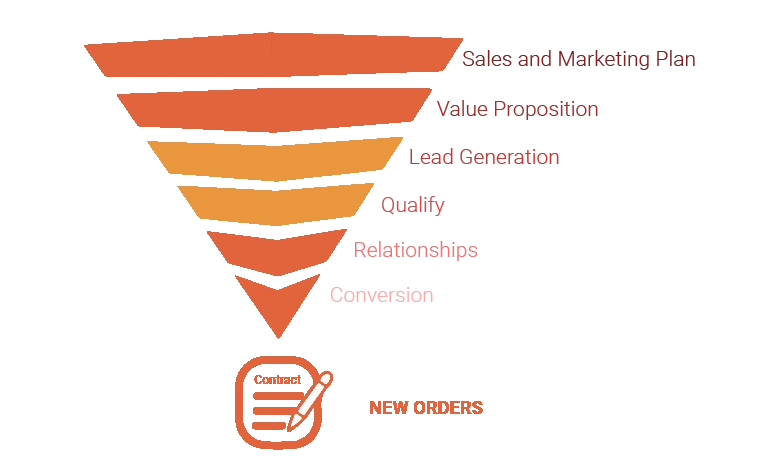
Every successful SaaS company understands that growth isn’t just about building great software – it’s about building strong customer journeys. To turn curious visitors into loyal subscribers, you need a well-defined SaaS digital marketing funnel that guides prospects from their first interaction all the way through to retention and advocacy.
At the Ministry of Innovation, we help software brands across the UK and beyond craft tailored digital marketing strategies for SaaS, designed to generate awareness, boost conversions, and keep users engaged long after sign-up.
How to Build an Effective SaaS Digital Marketing Funnel
What Is the SaaS Digital Marketing Funnel?
The SaaS marketing funnel is a structured path that potential customers follow – from discovering your brand to becoming loyal advocates. Unlike one-off product sales, SaaS models rely on recurring revenue and long-term relationships, which means the marketing funnel must focus just as much on retention as acquisition.
Broadly, the SaaS funnel has five stages:
- Awareness
- Consideration
- Conversion
- Retention
- Advocacy
Each stage calls for a unique digital marketing approach that aligns with your users’ needs, expectations, and readiness to buy.
Stage 1: Awareness – Making Your Brand Discoverable
The awareness stage is all about visibility. This is where your target audience first encounters your SaaS product, often while researching how to solve a specific problem.
Effective Awareness Strategies for SaaS
- Content Marketing: Publish informative and relevant blogs, guides, and webinars that educate your audience. A post such as “Digital Marketing for SaaS Startups: Practical Growth Tactics” can position your brand as an authority.
- SEO: Optimise your site for relevant keywords such as SaaS lead generation or B2B SaaS marketing strategies to capture organic traffic.
- Paid Media: Use Google Ads and LinkedIn campaigns to reach targeted prospects.
- Social Presence: Build thought leadership through consistent, value-driven posts on platforms like LinkedIn and X (Twitter).
When your brand consistently appears in front of the right audience, you begin building recognition and trust – the first step in any SaaS growth journey.
Stage 2: Consideration – Building Trust and Interest
Once people know who you are, the next challenge is proving why your solution is the best choice. This is where credibility, transparency, and engagement become vital.
Ways to Strengthen the Consideration Stage
- Email Nurturing: Share insights, success stories, and resources to keep prospects informed.
- Comparison Content: Create articles such as “Our SaaS Platform vs. Competitors: Which Delivers More Value?” – an honest comparison helps users decide with confidence.
- Webinars and Product Demos: Allow potential users to experience your solution firsthand.
- Retargeting Ads: Keep your brand visible through follow-up campaigns across search and social platforms.
By showing expertise and empathy for your users’ pain points, you help them move confidently towards trying your product.
Stage 3: Conversion – Encouraging Action
The conversion stage is where your marketing efforts turn into measurable results – trials, demos, or full subscriptions. Every aspect of this phase should make it easy for users to say “yes”.
Conversion Strategies for SaaS Businesses
- Optimised Landing Pages: Clear CTAs, minimal distractions, and compelling copy are essential.
- Free Trials and Freemium Models: Let users experience the product’s value without commitment.
- Streamlined Onboarding: Guide users through the setup process with helpful prompts or video walkthroughs.
- Trust Elements: Use testimonials, ratings, or logos from recognised clients to reassure new users.
Testing different CTAs, layouts, or offers can significantly improve your conversion rate. For help refining your SaaS funnel, explore Ministry of Innovation’s digital marketing services.
Stage 4: Retention – Keeping Your Customers Engaged
Acquiring a new customer is valuable – but keeping one is even more rewarding. Retention is what drives consistent revenue and growth in the SaaS world.
Practical Retention Techniques
- Customer Success: Proactively help users get the most from your platform through personalised support.
- Email Automation: Send tailored messages about new features, training sessions, or account milestones.
- Feedback and Insights: Use surveys or NPS scores to learn how users feel and where you can improve.
- Community Building: Encourage ongoing engagement through user forums, groups, or events.
Happy customers don’t just renew – they become advocates, bringing in new users through recommendations and reviews.
Stage 5: Advocacy – Turning Users into Promoters
The final stage of the SaaS marketing funnel is advocacy – when customers actively promote your brand because they genuinely believe in it.
Encouraging Advocacy in SaaS
- Referral Incentives: Reward customers for bringing in new users.
- Customer Stories: Publish detailed case studies showcasing success metrics.
- Social Proof: Share reviews and testimonials on your website and social platforms.
- Online Communities: Encourage discussion and networking within your customer base.
Advocacy marketing builds trust faster than any ad campaign, and it’s one of the strongest growth drivers for subscription-based businesses.
The Power of Data in SaaS Marketing
Data plays a critical role in refining every stage of your funnel. Tracking metrics such as user acquisition cost (UAC), churn rate, and lifetime value (LTV) provides insight into what’s working – and what’s not.
Tools like Google Analytics, HubSpot, and Mixpanel can help you monitor and optimise performance, ensuring your SaaS marketing strategy remains agile and effective.
Conclusion
A well-designed SaaS digital marketing funnel helps you do more than acquire users – it helps you understand them, engage them, and turn them into long-term supporters of your brand.
At the Ministry of Innovation, we partner with SaaS companies to build marketing frameworks that grow sustainably, using data-led strategies tailored for each stage of the customer journey.
If you’re ready to optimise your SaaS growth strategy, get in touch with our team today to learn how we can help you create a high-performing funnel that drives measurable results.
FAQs About SaaS Digital Marketing Funnels
Q1. What is a SaaS digital marketing funnel?
Ans: It’s a structured process that maps out how potential users discover, evaluate, and eventually subscribe to your SaaS product – including post-purchase retention and advocacy.
Q2. Why is the funnel important for SaaS businesses?
Ans: Because SaaS growth relies on recurring revenue, the funnel ensures consistent engagement, helping to reduce churn and maximise lifetime customer value.
Q3. What marketing channels work best for SaaS?
Ans: SEO, LinkedIn, content marketing, and paid campaigns (particularly Google Ads) tend to deliver the strongest performance for B2B SaaS brands.
Q4. How can data improve my marketing funnel?
Ans: By analysing metrics like conversion rates and churn, you can identify weak points and fine-tune campaigns for better ROI.
Q5. Where can I learn more about SaaS marketing strategies?
Ans: You can explore the Ministry of Innovation website for in-depth guides and expert insights into digital marketing for SaaS businesses.